Pages

Saturday, March 31, 2012

Astrocytoma Brain Cancer Tumors

Astrocytoma brain cancer tumors are considered to be the most common type of Glioma. These tumors may develop in various regions of the brain, as well as the spinal cord. These particular type of brain cancer tumors initiate from cells that are called astrocytes. The area of the brain that these are most commonly identified is the main region. This is commonly referred to as the cerebrum.


It has been established that these have the capability of affecting any individual, at any time in their life. While there have been cases of Astrocytoma a brain cancer tumor in children, this condition is most often diagnosed among those that are part of the adult population. When children are diagnosed with these tumors, they are most commonly located in the base region of the brain rather than the main region of the brain.

Common Symptoms

There are many common symptoms that are often experienced when an individual has an Astrocytoma brain cancer tumor. The symptoms that are experienced often correlate with the pressure against the brain and skull regions as a result of the size of the tumor. It is common for an individual to exhibit behavior changes.

The person may exhibit a personality that is much different than their own, they may seem to change from one mood to another in a fast-paced and mysterious manner, and they may exhibit marked signs of irritability.

Individuals that have this type of tumor with their brain cancer will often experience headaches and pain in the neck region. Gastrointestinal complications such as vomiting are also one of the most common symptoms associated with the Astrocytoma brain cancer tumor.

Diagnosing the Astrocytoma Brain Tumor

Diagnosing the Astrocytoma brain tumor is a challenging task to many medical professionals. A full neurological examination is typically ordered if a patient is exhibiting certain symptoms. One of the main signs that a doctor will look for is any type of mental based dysfunction.

In some instances, a patient that is exhibiting new, unusually painful headaches and swelling may be further evaluated. In addition to these symptoms, those that experience seizures and signs of potential swelling such as vomiting will be referred to a neurologist for a full, in-depth medical examination.

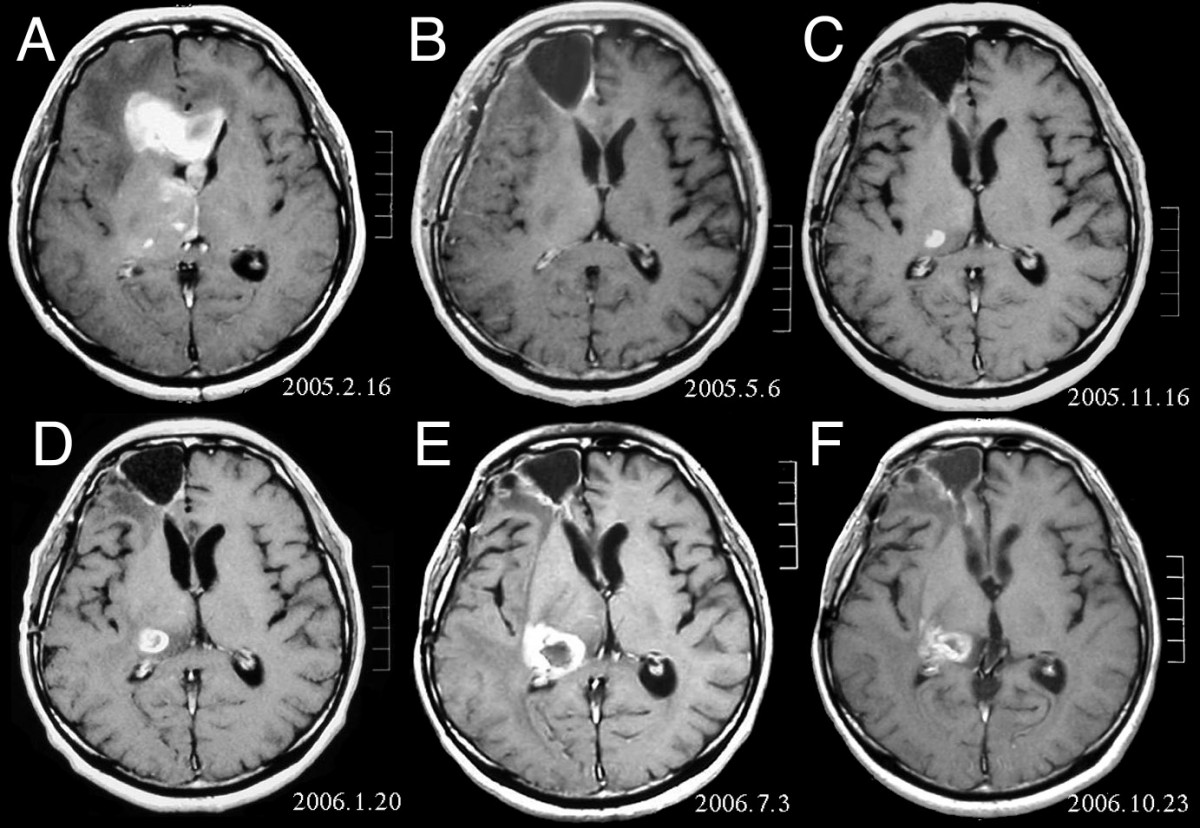
There are many different tests that may be used to determine if an individual has an Astrocytoma brain cancer tumor. One of the main diagnostic tools used to scan the brain for this type of tumor is the MRI or the Magnetic Resonance Imaging scan.

Many neurologists will also use the CT or CAT scan, which stands for Computed Tomography. In diagnosing this type of brain cancer tumor, many doctors may utilize tests that help gauge the coordination, the hearing, and the vision in order to effectively rule out other medical conditions.
Web Directory

Pediatric Brain Tumors and Brain Cancer Alter the Definition of Normal

For most of us, today will begin like any other day. We'll sip our coffee, skim the morning paper, drop the kids off at school, and perform the normal rituals that make up our daily lives. The good, the bad, and yes, even the somewhat ugly; we'll tackle it all with confidence and a sense of comfort, knowing that tomorrow, as routine as it may be, we'll get to do it all over again.

But, for several families across America, today will be different. Today will be life-changing.

Today...

• Nine families will learn their child has a brain or spinal cord tumor;
• Three families will mourn the loss of their child to this dreadful disease; and
• Six families will transition to survivorship.

Each year, an estimated 3,400 children in the United States are diagnosed with a brain tumor or brain cancer. Approximately one-third of these children will survive no more than five years, making this the deadliest of all childhood cancers. For the families of these kids, there will never be another "normal" day. Their days will now be filled with medical appointments, treatment options, and learning how to operate within a new definition of "normal."

Thankfully, hope springs eternal. The survival rate for children with brain tumors and brain cancer has increased significantly over the past twenty years. Advancements in research have resulted in better treatment methods, improvements in the quality of life and the long-term outlook for these young patients. However, survival does bring with it an all-new set of unique challenges. Treatments can cause damaging late effects on survivors; effects that range from cognitive impairment, to physical challenges, to social isolation.

Collaborations between nonprofit organizations, research foundations and leading medical institutions have proven to be instrumental in the fight against these childhood cancers. By joining forces, these groups are able to connect the best of the best to keep research moving forward, raise public awareness, and provide support to the patients and families who need it.

Several non-profit organizations have been established over the years to provide help to families who find themselves on this new and very difficult life path. Most of these groups offer resources for education, assistance with medical and financial services, and much-needed emotional support through a variety of family outreach programs and special events.

These nonprofit organizations work tirelessly in their battle to make pediatric brain tumors and brain cancers a disease of the past. They are continually searching for research partners, corporate sponsors, and private foundations to help support ongoing research. Individual donations are also critical to the success of these organizations. While much work is being done, and progress is being made, the need to raise awareness, fund research, and provide support is ongoing.

A quick Internet search and a few simple clicks of the mouse will land you on the website of one of these dedicated, nonprofit organizations. Once there, you'll likely find an abundance of valuable information, along with resources and opportunities to help. Why not spend a little time today learning more about this devastating disease? Perhaps, make a donation, or even sign on as a volunteer. Not only can you help to redefine "normal" for these kids and their families; you might just alter your own idea of "normal" as well.

Brain Cancer Chemotherapy Side Effects

Chemotherapy is one of the most popular methods of killing cancer within the body. It uses combinations of chemical compounds that kill off microorganisms. Though chemotherapy is an affective treatment it also comes with some negative consequences. Brain cancer chemotherapy side effects may include a loss of hair. It is possible to lose hair other than the top of the head. Hair loss may occur under armpits, face or even the groin area as well. Another concern includes feelings of nausea or the need to vomit. This usually occurs directly after receiving treatment. It can last for several hours after as well.

Some of the most common brain cancer chemotherapy side effects also include changes in bone marrow. Bone marrow is the liquid substances in side of bones. It is responsible for the production of red and white blood cells as well as platelets. During the chemotherapy process it interrupts bone marrows ability to produce enough cells that are vital to carrying oxygen and to fight off infections. It may also interfere with the body's ability to stop excessive bleeding from cuts. It may also leave brain cancer patients feeling weak as well.

Some brain cancer chemotherapy may affect sexual ability. It may reduce sexual desire. Sexual desire will resume at the end of chemotherapy treatments. Though sexual desire may return it may cause problems with infertility in women. Exposure to the drugs in chemotherapy may reduce the ability to become pregnant or produce children. While some may be physically able to perform sex the desire may not be there. This is not a cause for concern, as the desire will reemerge once chemotherapy sessions are completed.

Chemotherapy can be prevented if the proper methods are used. Physical conditioning before chemo is started may determine the severity of its adverse reaction. Not all chemotherapy treatments are the same so some individuals may experience more or even less side effects from therapy than others. If you experience memory function or memory loss as a result of chemotherapy it is best to talk to your doctor about possible solutions.

Brain Cancer Nutrition Therapy

Medical doctors have established the fact that brain cancer nutrition therapy is beneficial for those that suffer from mild to severe cases of brain cancer. Cancer is an illness that has the capability of depleting the body of essential vitamin, minerals, and other types of nutrients. When an individual undergoes brain cancer treatment, even more of those important nutrients are wiped out in the body.

Not only this, but the cancer patient often experiences issues when it comes to having an appetite. Individuals that have brain cancer are already quite vulnerable, but when poor nutrition is added to the mix, it could wreck devastation upon the health of the patient. In this guide, you will discover a new form of brain cancer therapy that focuses on nutrition.

Assessing Nutritional Needs

If you want to engage in a brain cancer nutrition therapy treatment plan, it is important to have your nutritional needs evaluated by a medical professional. There are many tests that may be performed so that the medical doctor may get a good snapshot of what nutritional needs you require.

One of the most common is the test that evaluates your blood. This test will validate whether or not your base figures are either low or high when it comes to protein and other nutrients in the blood. In addition to this, the medical professional will likely inquire about the health history that you have had. It is also common for them to ask questions about the way that you eat, immediately followed by an examination pertaining to your body mass index.

The Nutrition Therapy Plan

Once your doctor establishes your nutritional needs, they will determine which type of diet will work best for you. You will be encouraged to consume only those foods with provide you with the optimal health benefits. If you have brain cancer, this is typically always individualized for you.

In addition to encouraging you to consume only those foods that are positive to your overall health, the nutrition therapy plan will also include exercises that you will be safe performing during the course of your disease and the treatment of your disease. You may also be encouraged to take nutritional supplements. There are many supplements that have been found to benefit brain cancer patients in one way or another. These include Selenium, Vitamin E, and Beta Carotene.

Do Cell Phones Really Cause Brain Cancer?

The cell phone today is more ubiquitous than ever, and scientific studies continue to try to distinguish the relationship between cellular phones and cancer.

A recent study from the National Institutes of Health showed increased brain activity in participants exposed to cell phone radiation. The study used PET scans to measure the brain's sugar level, and found increased activity in regions closest to the phone's antenna after 50 minutes of exposure. Although the increased activity isn't directly linked to harmful effects, the human brain's evident sensitivity to the phone's electromagnetic waves does raise further questions.

In May 2011, the World Health Organization reclassified cell phone radiation exposure as "possibly carcinogenic," a label that places it in the same category as chloroform and lead. The most extensive case control study of cellular phones and cancer, the Interphone study, conducted across 13 countries for a decade found that the highest grade of mobile phone users-those who used their phones for 30 minutes a day over 10 years or more- were twice as likely to develop glioma, a malignant brain tumor. These results are alarming, particularly because the study failed to take into account that children and young adults are far more susceptible to cell phone radiation than adults.

Cellular phone radiation testing conducted by manufacturers also underestimates the amount of radiation that users are exposed to. A recent paper published in the journal Electromagnetic Biology and Medicine revealed that industry testing is done on a mannequin modeled after a 6'2", 200 pound man with the phone held one inch from the mannequin's ear. The study estimates that 97 percent of the population deviate from this unrealistic model of usage and experience greater exposure.

The Federal Communications Commission requires a mobile phone to have a Specific Absorption Rate (SAR), a measure of the peak of electromagnetic radiation level in a model, of less than 1.6 watts per kilogram. However, the peak SAR may not represent the actual SAR levels of a typical phone call. A cellular phone with a lower SAR may expose the user to more radiation on average than one with a higher SAR. A study conducted by a bioengineering research professor, Dr. Henry Lai, found effects of memory loss in rats exposed to SAR levels as low 0.0006 to 0.06 watts per kilogram.

As of 2010, there are over 223 million mobile phone users in the US over the age of 13 and the numbers are constantly growing. According to the CTIA, the Wireless Association, the total minutes of cell phone use in America in 2009 was 2.3 trillion minutes. Cellular phone users are also starting at younger ages. Given the indispensable role of cell phones in our lives and the increasing concern about an association between cell phone use and cancer, regulatory agencies should carry out more thorough investigations, and cell phone users should exercise caution and take steps to lower their exposure to cell phone radiation.

Brain Cancer Survival Rate

Brain Cancer Survival Rate: Brain tumor is basically characterized by the abnormal or uncontrolled growth of cells in the brain. The brain tumors occur in the brain in two different ways - some tumors spread from a cancer affected part of the body to the brain, while some other tumors start their growth in the brain itself. Given below are the major symptoms of brain tumor. Changes in personality are also observed in people suffering from brain tumor. Over exposure to certain harmful chemicals can lead to brain tumor. The brain tumor survival rates depend on various factors, such as the location of the brain tumor, the size and type of the brain tumor, stage of the brain tumor and whether the patient is suffering from any other ailment. The brain tumor survival rates are around eighty percent for those suffering from oligodendroglioma brain cancer. Brain cancer remains one of the most incurable forms of cancer, with an average survival period of one to two years. Factors Affecting Survival Several factors can influence the five-year survival rate of cancer patients. These include the size of the tumor, its location in the brain, the type and severity of the cancer, the stage of the cancer and the overall health of the patient. How Survival Rates are Calculated Survival statistics are based on large numbers of people, and should not be used to predict the survival of an individual patient. Age and Survival A patient's age has much to do with how long he will survive with brain cancer, as the odds decrease with age. According to healthline.com, children to the age of 14 have a 73 percent chance of surviving five years, while the rate drops to 55 percent for young adults between 15 and 44. Middle-aged patients between 45 and 64 have a 16 percent survival rate, and the elderly have a survival rate of only 5 percent. Other Facts Despite the gloomy statistics, it has been shown that a combination of radiation treatment and chemotherapy can lengthen the life of brain cancer survivors, and in some cases, even improve the quality of life, while patients who forgo treatment do not live as long. The Brain Cancer presented here are based on the relative survival rate. The overall 5-year relative brain cancer survival rate for 1995-2001 was 33.3 percent. The 5-year relative survival rates for brain cancer by race and sex were as follows: • 32.1 percent for Caucasian men • 33.5 percent for Caucasian women • 37.7 percent for African-American men • 37.5 percent for African-American women. Stage Four Brain Cancer Survival Rate Statistics reveals that mental stress and negative emotional is responsible for around 85% of physical disorders. Negative Emotional And Cancer has No Direct Relation There is no such direct connection of negative emotional and cancer, but it has been proven that negative emotional experiences and mental stress weakens the immunity system. How Negative Emotional Experiences Effect your Body? After becoming a cancer patient, the quantity of stress and negative emotion increases automatically. The negative emotional experiences interrupt the energy flow in human body. Tips for recovering from emotional loss. -Effective solution for fighting Negative Emotional This technique can be used for all types of cancers such as breast cancer, lung cancer, Bone cancer, brain cancer, cervical cancer and stomach cancer.

Thursday, March 22, 2012

What Are The Causes Of Brain Cancer?

Here, I am going to describe the most common causes of Brian Cancer. As if you know the causes early, you can take proper precautions to live far away from Brain Cancer. 1. Deletion of Gene Causes Brain cancer: The deletion of a gene, normally present on chromosome 14, may cause cancer in brain, which is the most common, malignant type of brain cancer. Recently, the Researchers of Stanford University School of Medicine has exposed that the deletion of this gene, promote tumor development and grow resistance to therapy. This is frequently occurs in one out of every four cases of Brain cancer. 2. Heredity-An Important Cause: Risk of suffering from brain cancer is known to increase if a person has a family history of cancer. Cancer in brain often occurs with members of the same family, so heredity could be a cause of this. 3. Abnormal Cell Mutation: Primary brain tumors begin when mutations occur in normal cells within their DNA. Mutation may allow cells growth and divisions at increased rate, and to continue to living, when the healthy cells would die. As a result, a mass of abnormal cells occurs, which forms a tumor. 4. Un-controllable Cell Growth in Brain Most Often Causes Brain Tumor (Brain cancer): Our brain has many different kinds of cells and each with a different function. If, in any case, these cells inside the brain begin to grow up uncontrollably, then this will surely lead to a tumor. 5. A Benign Brain Tumor may not be cancerous, but Malignant tumor could be easily Cancerous: A tumor in the brain may or may not be malignant. If benign, a tumor stays its own place, where it starts, though it can grow up very large, and put pressure on crucial areas. In case of a malignant brain tumor which has the ability to spread, and cause cancer.. 6. Cancer, that begins elsewhere, of the body, spreads to the brain- Cancer can develop in the brain (Primary cancer) or may developed by spread up of other cancer that previously affects the body. If, any other part of the body has any type of cancer, and then there is a great possibility of occurring cancer in brain due to spreading from the infected part of the body. This is the Secondary (metastatic) brain tumor. The Cancers of the breast, lung, skin, or blood (leukemia or lymphoma) can also be spread up (metastasize) to the brain.